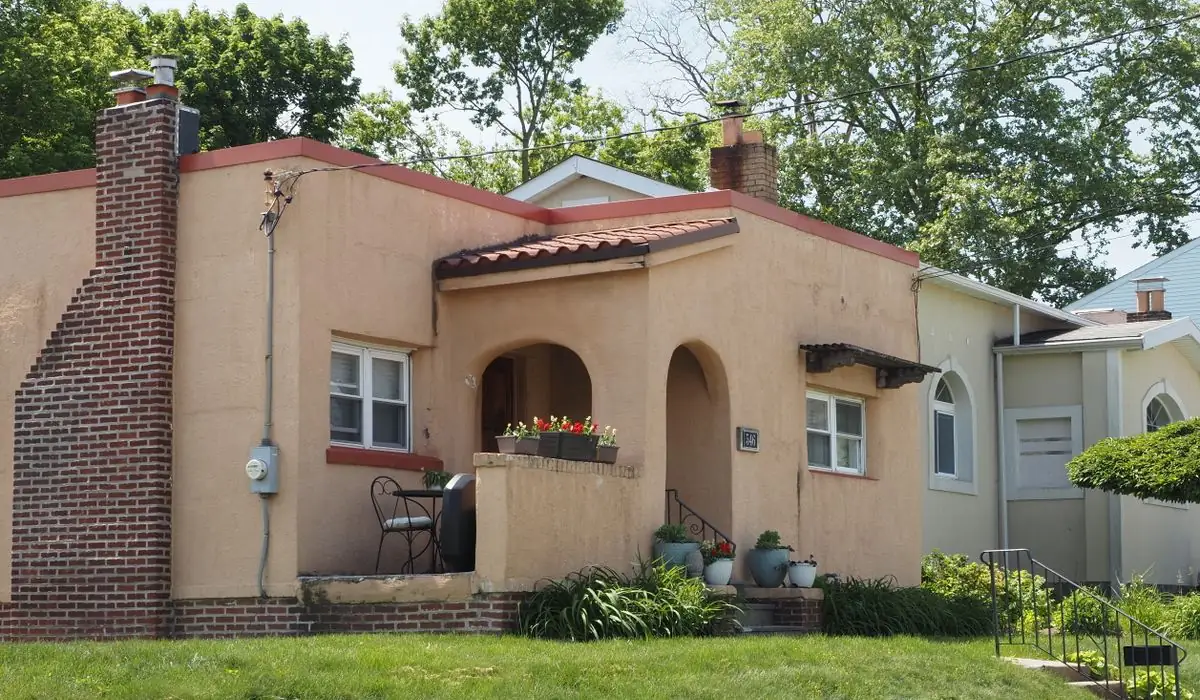
East York: the housing stock and its plumbing
East York was a separate borough until it joined the new City of Toronto in 1998. The typical lot holds a modest brick bungalow or a dormered cottage from between the 1930s and the 1950s, with rental high-rises gathered nearer the valley. Many homes have been expanded with second storeys, rear additions or full rebuilds. Original plumbing from the postwar period is still common.
Trouble we run into most often
- Galvanized supply lines reaching the end of their life.
- Cast iron or clay laterals with root intrusion.
- Weeping tile tied into the sanitary sewer.
- Undersized water services in original bungalows.
Below the floor: drains, sewers and wet basements
East York has seen basement flooding during big storms, particularly in low-lying areas. Many homes have weeping tile connected to the sewer. Disconnecting it, adding a sump pump, and fitting a backwater valve can all help. City subsidy programs have helped with costs in the past; check what is current.
What happens when you ring us
East York bungalows are simple to work in: one basement, short runs, usually a clear path to the main. That keeps visits efficient. Where a second storey has been added, we check that the old service and stack were upsized, since many were not. We tell you plainly if the house has outgrown its pipes.
Booking a visit in this neighbourhood
Ring the line
Say what is dripping, backing up or banging. Water still flowing? We guide your hand to the valve first.
Find the cause
The plumber traces the fault, with a scope or gauge where one earns its keep.
Pick the fix
Options come in everyday language, and nothing starts until you choose.
Repair & prove it
We finish, run the water to prove it, wipe up and leave a short written record.
Calls we field, answered plainly
Should I replace galvanized pipe before renovating?
Yes, if walls are open. It is far cheaper than doing it later.
Do East York homes have clay laterals?
Many postwar homes do. A camera survey confirms it.