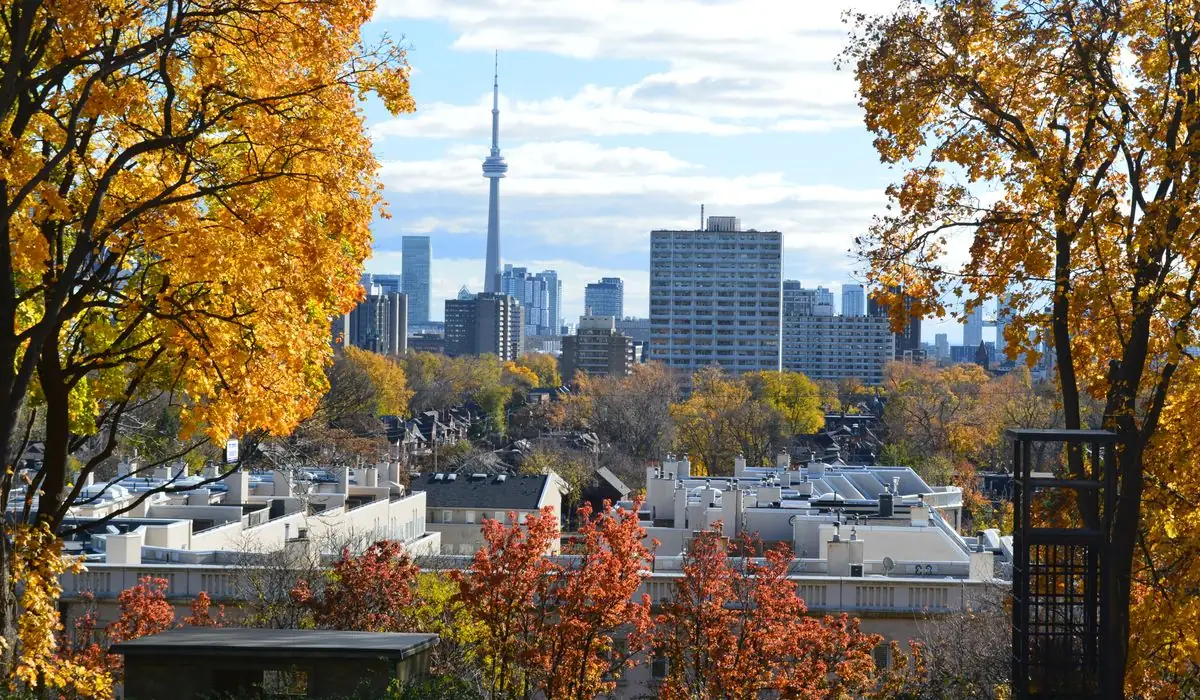
Leaside: the housing stock and its plumbing
Leaside was laid out as a planned town in the early twentieth century and joined East York before both became part of Toronto. Most of its housing was built in the 1930s and 1940s: brick detached and semi-detached homes on regular lots, centred around Bayview Avenue and Bessborough Drive. Many have been extended or replaced with larger homes in recent years.
Trouble we run into most often
- Clay and cast iron sewer laterals with root intrusion.
- Weeping tile connected to the sewer.
- Galvanized supply lines in older houses.
- Undersized water services for expanded homes.
Below the floor: drains, sewers and wet basements
Leaside has had basement flooding during severe storms, and many houses have finished basements. Backwater valves, sump pumps and disconnected weeping tile help. Larger homes often have more bathrooms in the basement, increasing the risk if the main drain backs up.
What happens when you ring us
In Leaside, renovation is the norm, so we often meet the plumbing mid-project. We look at the lateral and the service before the new finishes go in, because changing them later costs far more. Original 1930s clay and galvanized are the usual suspects on a first visit.
Booking a visit in this neighbourhood
Ring the line
Say what is dripping, backing up or banging. Water still flowing? We guide your hand to the valve first.
Find the cause
The plumber traces the fault, with a scope or gauge where one earns its keep.
Pick the fix
Options come in everyday language, and nothing starts until you choose.
Repair & prove it
We finish, run the water to prove it, wipe up and leave a short written record.
Calls we field, answered plainly
Should we replace the lateral when building new?
It is a good idea. Old clay or cast iron can fail under a new house.
Is a sump pump needed in Leaside?
Depends on your weeping tile and groundwater. We can advise after a look.